lijit search

Ad

TISSUE AND ORGANS TRANSPLANTATION

Generally transplantation is defined as the replacement of diseased tissue or organs of an individual by healthy ones. Transplantation of healthy tissues or organs is achieved by the process of surgery. During transplantation, recipient (the individual in or onto which new healthy tissues or organs are tansplanted tissue or organs are tansplanted) develops some antibodies. Therefore, new transplanted tissues or organs are not easily accepted by the recipient which are regarded as antigens. The antibodies developed inside the body of recipient act against the new transplanted part and cause destruction.

Sometime tissues from one area are transplanted to another tissue transplantaionarea of the same individual. For example skin from thigh is called autograft. If the tissues are transplanted from the identical twins such a process is called isograft e.g. kidney of one of the twins when transplanted to another one. Isograft generally involves the transplantation of the body parts in between individuals of the same species which are also identical genetically (e.g. twins).
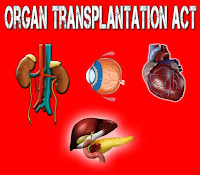
If the transplantation is carried out between genetically different individuals of the same species, it is called allograft. Blood transfusion from one person to another person is an example of allograft which is very common now-a-days. But, if the tissue or organs are transplanted from individual of one species to the individual of other, it is regarded as xenograft.

We have already discussed that the recipient develops antibodies against the transplanted tissue or organs. This is the immune power of the body. But the production of antibodies by the recipient can be suppressed by utilizing different methods which is called immunosupperssion. The agent that causes immunosuppression is called immunosuppressant.

Immunosuppressant causes the inhibition of body’s normal immune power so that the recipient is succeptible to all other kinds of infections. A special kind of immune suppressant should be developed that shows effects on the specific immune response, not to the whole immnune system of the body.

Such immune response to destroy transplanted organs or tissues can also be reduced by the exposure of bone marrow and lymph tissue to x-irradiation.

ANTIBIOTICS INFORMATION TO HUMAN

ANTIBIOTICS INFORMATION TO HUMANThe term ‘antibiotics’ was coined by Selman in 1942. He defined antibiotic to be a substance produced by a micro-organism and which in low concentration is antagonistic to the growth of other micro-organism. Elymologically, antibiotic means ‘against life’. Clinically, antibiotics are organic products which in low concentration are able to inhibit the metabolic activities of pathogenic organisms without harming the host.

Antibiosis was first demonstrated by Babes in 1855. He found that micro-organisms might produce substance that could inhibit growth of other organisms. In 1877 pasteur and joubet found inhibitation of growth of Bacillus anthracis (anthran baclesia) by certain bacteria. Paul vuilenin proposed the concept to antibiosis of antagonism between two living organisms. In 1928 Felming found that destructutions of cultures of staphylococcus aereus in the region of untamination by pemicillium notatum. Florey etal (1939) discovered the chemotherapeutic value of chemical produced by Penillium notatum and commercialised the product pencillin, which was first usedclinically during the second world war. Waks man and Schater found actimycetes (mycelia becteria)to be potencial produces of antibiotics. Waksman isolated actinomyces is streptomycin in 1949 both from the genus streptomyces.A single species of streptomyces is known to from more than 40 antibiotics. Antibiotics are produced by lichens, finger, actinomyces and eubecteria.

The lichens cantibioticladonia and Usnea produce Ushic acid. Similarly, finger Penicillion produces penicillin, griseofulion, patulin, Emericellopsis prodncescephalosporins, antiamoebin. Eubacteri like bacillus and pesuclomones produce eubacteriates.

ANTIBIOTICS INFORMATION TO HUMANDepending upon their effect, antibiotics are of two types-broad spectrum and specific. Broad spectrum antibiotics is able to destroy a large number of pathogens in structure and composition of their walls. The specific antibiotics have a limited spectrum. They act on a few similar type of a pathogens. However all antibiotics inhibits growth or destroy a number of bacteria and fungi. Modern medicine has specific antibiotic for every bacterial pathogen. Antibiotics are relatively inexpensive, safe and sure than other durgs.

Fertilizers of biological origin

fertilizer process
Soil contains various nutrients that are essential for growth and development of plants. Constant use of leads to the loss of its important nutrient and ultimately its fertility. Deficiency of any one or more nutrients ultimately affects the yield of crop plants.

There are the several method to increase the soil fertility. Farmers usually apply chemical fertilizers to enhance soil fertility. However, frequent application of chemical fertilizer is equally harmful to the soil as they affect the soil composition and nutrients. Therefore, in order to reduce the hazards caused by chemical fertilizers, the recent trend to make use of the fertilizers which are environment friendly and are of biological origin. Materials of biological origin which are commonly used to maintain and improve soil fertility are called biofertilizers. There have been grouped into two main categories-
1. Manures
2. Biofertilisers

Both when added to soil increase in nutrient value especially the nitrogen content and thus enhance the crop productivity.

Manures
Manures are the organic materials when added to soil increases its nutrients value especially the nitrogen content and thus enhance the crop productivity. The manures are of three types:
• Farmyard manure – It is the most valuable organic matter commonly applied to the soil. It consists of mixture of cattle dung and crop residues like remnants of the straw and plant stalks fed to cattle. The cattle dung is to properly stored in a pit. The pit of one meter depth is to be dug under the shade and the dung is kept moist. The surface is plastered with mud. The manure becomes ready for use after 2-3 months.
• Composite manure – It consist of rottened vegetables and animal-shed wastes, refuse, farm weeds and other substances. These are properly mixed and used after rottening or decomposition.
• Green manures – Green manures are the green crops which are the back under the soil. Thus, green manuring can be defined as the practices of growing, plugging under and mixing of green crops with soil to Improve soil fertility and ultimately crop productivity. It also provides a protection action against soil erosion and leaching. There is 30-50% increase in the crops yield by using green manure. Some of the commonly used green manures are mainly leguminous and non-leguminous.
Cowpea, sun hemp, dhaincha, berseen, lentil (Mansur)

Important of green manure in agriculture
1. Green manures are the cheapest and easily available source or fertilizers.
2. They provide the additional nitrogen as well as other organic matters to soil.
3. They supply practically all the nutrient required by the crops.
4. They check soil erosion, leaching and percolation.
5. They increase the crop yield from 30% to 50%.
6. They improve soil aeration and drainage condition.


Prospectus of green manure in Nepal
Since there is no fertilizer factory in Nepal, the use of green manures can be the only supplemental source of fertilizer especially for nitrogen fertilizers. Dr. Bhola Man Singh Basnet of Nepal Agriculture Research Council (NARC) khumaltar has extensively carried out his research on green manure using Sesbania which is called locally as Dhanicha.

Sesbania can be successfully grown and incorporated in the soil. It has been estimated that by the use of sesbania, the yield of paddy has increased from 21 to25%. Therefore, green manure can very good source of fertilizer in Nepal.

Types of genetic resistance

disease reaistanceThe two types of genetic resistance to pathogen in plants are monogenic and polygenic. While monogenic characters are stable over a wide range of conditions, polygenic resistance is highly variable and influenced by environmental conditions. Polygenic resistance is also influenced by host nutrition, while monogenic resistance is completely stable. Repeated selections through breeding or resistance in a crop result in accumulation of more genes for resistance in the new varieties, which is the case in most of the varieties of crop plants which are widely cultivated over the world.

Another recent finding is that in a crop variety there may be a gene which inhibits completely or partially the expression of resistance to a diseases. Similarly, an inhibitor gene may suppress the expression of susceptibility in some varieties. It has been shown in some varieties that resistance may fluctuate within certain limits. There are also reports showing that some crop varieties are resistant to a pathogen at certain temperature, but May completely breakdown and become susceptible at a different temperature. If the pathogen is capable of producing many races, the monogenic resistance in the host may result in its becoming susceptible to one or more of the newer races to the gungus. This is what happens in wheat varieties which breakdown due to infection by newer rust races. If large numbers of genes for resistance are accumulated in one variety by repeated breeding and selection, then the possibilities of its sustained resistances to most races of rust are improved. Host resistance may inherited as a qualitative character, and its expression is influenced by environment by environment. In polygenic a virulent recombination in the pathogen, durability of resistance is prolonged.

A thorough knowledge of the variability and genetic characters of the pathogen as well as the inheritance and expression of resistance of susceptibility in the host is essential in a breeding programme for diseases resistance. Plant improvements in agriculture have been achieved through several means, the chief ones being introduction of new varieties of crops into a locality, hybridization and selection, and induced mutation. A variety resistant to a given diseases can be obtained either by selecting lines which already have genes for resistance or by hybridization to combine resistance. To obtain the desired variety through selection, we must have (i) resistant lines or biotypes in the population we are working with, (ii) reliable technique for screening the varieties for resistance, and (iii) the selected variety should combine other desirable properties, including good agronomic qualities. The variety must be tested under optimum condition for resistance to the diseases, to avoid diseases escape leading to erroneous conclusions.

The breeding programme is a continuing process. Plant breeders, pathologists and agronomists should work hand in hand to reach the goal. Worldwide search for genetic material in different crops plants has been going on and extensive collection of germ-plasma are available at many institutions. These wild and cultivated plants carrying resistance genes for various plant diseases. It is for the plant breeders, agronomists and pathologists to make best use of them and evolve resistant varieties with combined agronomic qualities.

Diseases Resistance varieties of plants

varitiesIn many cases, growing resistant crop varieties id the only method to control diseases, and perhaps is the ideal one. In an ecological set-up equilibrium is maintained. If the equilibrium is altered in any one respect then several changes take place. If the plant has been growing wild in a locality, it is exposed to plant pathogens. Due to continued exposure to pathogenic invasions, the host might develop resistance to infection. Likewise the plant may alter several of its morphological and physiological characters. The Darwinian principles of variation, struggle for existence and survival of the fittest play under these circumstance and we get a resistant plant containing to grow and perpetuate while the susceptible ones may disappear from the scene. This has been going on for hundreds of thousands of years. When man cultivates the plant in bulk in field, he is upsetting the natural ecological balance and exposing the plants to a newer environment. Under the influence of cultural practices and other factors it may become susceptible to the diseases. Hence, he has to select and choose crop varieties which are resistant or tolerant to higher doses of fertilizers, high quality of the grains or other plant products, and resistance to pets and diseases. The pets and diseases of important or major crops plants like wheat, rice, sorghum and other millets are many. To obtained a variety resistant to all the diseases of a crops and to combine in it the best of agronomic qualities is an impossible task. Added to this, the pathogens are constantly changing, evolving new races of pathogens arise to survive. Hence, it is a never-ending struggle for man to go on evolving newer crops varieties not only to secure better agronomic qualities and increases production, but to combat newer and more virulent pathogens and pests. In a way, the breeder encourages the development of new races!

With the rediscovery of Gregor Mendel’s finding by de Vries in Holland, Correns in Germany and Tschermak in Austria almost simultaneously in 1900, the science of genetics had a rebirth. Though there are earlier reports on the possibilities of obtaining varieties resistant to diseases, systematic studies to select varieties of disease resistance started only during 1900, and the credit for this goes to W.A. Orton of the United States Department of Agriculture, who selected cotton varieties resistance to Fusarium wilt. The breeding work for resistant varieties against bunt and smut of wheat started in Australia by the turn of the century and later various workers including Stakman and his associates worked on resistance to rust and smuts. They evolved several techniques for testing crop varieties for disease resistance and also to differentiate the varieties and races of fungal species, based on host reactions under a given set of environment conditions. These results revealed that new resistant varieties should not be expected to solve the problem permanently, since races arise in nature by more than one method. Along with this information, data on the heterothallic nature and genetics of other fungi, such as Neuospora, were worked out. Starting from 1946, the basis for the occurrence of newer races among fungi came to be better understood. Expansion of our knowledge on the physiology and biochemistry of different living systems has helped us to understand many aspects of host-pathogen relationships, as also the genetic basis of diseases resistance in plants.

SUPERIOR VARIETIES OF PLANTS

education
Superior varieties of crop plants are obtained from outside and accilimitised to local environment. Before introducing a planhttp://technologyofbiology.blogspot.com/2010/03/5-induced-mutations-mutations-are-new.htmlt, study of its growth patterns, soil and climatic conditions in the original habitat is carried out. Choice is then made of equivalent soil and climatic conditions. A number of plants having all type of variations in the original habitat are planted in the new habitat. The plants which show good performance in the new habitat are picked up for further propagation.
Hybridization – Hybridization is the obtaining of progeny after crossing two or more types of plants which differ genetically one another in one or more traits. Depending upon the traits involved, the cross is called monohybrid (single trait), dihybrid (double trait) or polyhybrid. Similarly, hybridization may be performed between two plants (single cross) or more than two plants (multicross). Hybridization may be intravarietal, intervariental, interspecific and intergenetic. Hybridization is performed for two reasons-
1. Development of hybrid vigour or heterosis and
2. Bringing together desirable characters present in different races, varieties etc. into the individual or hybrid.

Polyploid breeding – An organism having number of complete chromosome sets higher than diploid number is called polyploid. The polyploid is known as triploid, tetraploid, pentaploid etc. when it contains 3, 4 and 5 sets of chromosomes respectively. Polyploidy occurs in mature due to failure of chromosomes to separate at the time of anaphase either due to nondisjunction or nonformation of spindle, failure of meiosis during sporogenesis or gametogenesis fertilization of an egg with more than one sperm. Polyploidy can be induced artificially by application of colchicines and granosan. Polyploidy is the three types – autopolyploidy, allopolyploidy and autoallopolyploidy.
Autopolyploidy occurs within a species and improves the numerical increase in the same chromosome set e.g. autotriploid (AAA) autotetraploid (AAAA). Allopolyploidy develops due to hybridization between two species followed by doubling of chromosomes. Allotetraploid (AABB) is the common type. Autoalloploidy develops both by numerical increase of chromosome etc. within a species as well as hybridization between two species followed by chromosome dounling (AAAABB) is common type of autoallopoloidy.
Polyplioids are also called euploids because they possess exact multiple of haploid chromosome set. The plants having few or extra chromosome than the multiple of haploid set are called aneuploids. The condition of having few or extra chromosomes than the multiple of haploid genome is termed as aneuploidy or homologons pairs so that one type of gametes come to have extra chromosome (N + 1) while the others become deficient in one chromosome (N – 1 ). Fusion with similar or normal gametes give rise to aneuploids.

5 Induced Mutations

are new sudden stable inheritable discontinuous variations which appeat in organism due to permanent change in their genotypes. Mutations can occur naturally and automatically in organisms without apparent reasons. They are termed as spontaneous mutations or spots. Useful spontaneous mutation occurring in osmotic cells of vegetatively propagated plants can be easily picked up and multiplied, e.g. colour sports in apple varieties, seedless grapes, navel orange etc. in others somatic variations vanish with the death of the organisms. Mutations which occur in the germ cells and can be transferred to progeny are germinal mutations. They may not express their effect immediately mutationbecause most of the mutations are recessive.
Recessive mutations would produce their effect only in the homozygous state. This is mainly in self pollinated and vegetatively propagated plants. In many crop plants, genetic improvement is made through sexual reproduction which is then maintained through cloning or vegetative multiplication by means of tubers (potato), cutting (apple, sugarcane), runners or stolons (strawberry) etc. An important mutations occurring in the sexually reproducing plants is the stiff ears (nonshattering quality) in wheat.
The frequency of spontaneous mutation is very low. Therefore they cannot be relied upon for rapid improvement of crop plants. Plants breeders employ induced mutations are those mutations which develop in response specific factors or chemicals called mutagens.
6 Tissue culture and Genetic Engineering – Plant tissue culture is the technique of maintaining and growing plant cells tissues or organs on artificial medium in suitable containers under controlled environment conditions. The part which is cultured is called explants. It has to be first disinfected with clorax water, dilute hypochlorite or methiolate. The explants may be root, stem shoot tip, leaf petiole, embryo etc. It may be grown directly or sectioned into this discs, plates etc. The culture medium can be liquid, semi solid or solid. The nutrition solution contains source of energy (2-4% sucrose), vitamins, amino acid, minerals etc. The growth regulators can be replaced by organic complex like coconut water or milk, yeast extract, banana pulp etc.
The explants can produce the whole plant or specific organ like fruit from a pollinated pistil or ovary. Tissues, rections or cells usually produce first an irregular, undifferentiated, unorganized but actively dividing mass called callus. Darkness favours callus formation. The callus can divided and subcultured. Differentiation of organogenesis occurs when callus is exposed to light or provided with a proper dosage of auxin and cytokinins. Therefore, conditions in the culture room and composition of culture medium. Tissue culture can help improvement of crop plants by the following techniques:
1. Mircopropagation
2. Production of diseases free plants
3. Haploid
4. Embryo rescue
5. Induced mutation etc.
Genetic engineering or recombinant DNA is the most recent mechanism of providing superior heredity in crop plants. The technique is useful in deleting undesirable genes and introduction of useful or desirable genes. The most different job in genetic engineering is to locate and isolate fragment of DNA having the desirable gene or genes. For this the chromosome mapping or genome study of all crop pant and their wild relatives would genes in its genome. After obtaining the desirable DNA segment, the same is introduced in the cells through vector (virus, plasmid etc.) microinjection electroporation etc. The transformed cells are then allowed to multiply and form a whole plant.

globe


counter globe

facebook

connecting people

TISSUE AND ORGANS TRANSPLANTATION

Friday, March 5, 2010
Generally transplantation is defined as the replacement of diseased tissue or organs of an individual by healthy ones. Transplantation of healthy tissues or organs is achieved by the process of surgery. During transplantation, recipient (the individual in or onto which new healthy tissues or organs are tansplanted tissue or organs are tansplanted) develops some antibodies. Therefore, new transplanted tissues or organs are not easily accepted by the recipient which are regarded as antigens. The antibodies developed inside the body of recipient act against the new transplanted part and cause destruction.

Sometime tissues from one area are transplanted to another tissue transplantaionarea of the same individual. For example skin from thigh is called autograft. If the tissues are transplanted from the identical twins such a process is called isograft e.g. kidney of one of the twins when transplanted to another one. Isograft generally involves the transplantation of the body parts in between individuals of the same species which are also identical genetically (e.g. twins).

If the transplantation is carried out between genetically different individuals of the same species, it is called allograft. Blood transfusion from one person to another person is an example of allograft which is very common now-a-days. But, if the tissue or organs are transplanted from individual of one species to the individual of other, it is regarded as xenograft.

We have already discussed that the recipient develops antibodies against the transplanted tissue or organs. This is the immune power of the body. But the production of antibodies by the recipient can be suppressed by utilizing different methods which is called immunosupperssion. The agent that causes immunosuppression is called immunosuppressant.

Immunosuppressant causes the inhibition of body’s normal immune power so that the recipient is succeptible to all other kinds of infections. A special kind of immune suppressant should be developed that shows effects on the specific immune response, not to the whole immnune system of the body.

Such immune response to destroy transplanted organs or tissues can also be reduced by the exposure of bone marrow and lymph tissue to x-irradiation.

ANTIBIOTICS INFORMATION TO HUMAN

Wednesday, March 3, 2010
ANTIBIOTICS INFORMATION TO HUMANThe term ‘antibiotics’ was coined by Selman in 1942. He defined antibiotic to be a substance produced by a micro-organism and which in low concentration is antagonistic to the growth of other micro-organism. Elymologically, antibiotic means ‘against life’. Clinically, antibiotics are organic products which in low concentration are able to inhibit the metabolic activities of pathogenic organisms without harming the host.

Antibiosis was first demonstrated by Babes in 1855. He found that micro-organisms might produce substance that could inhibit growth of other organisms. In 1877 pasteur and joubet found inhibitation of growth of Bacillus anthracis (anthran baclesia) by certain bacteria. Paul vuilenin proposed the concept to antibiosis of antagonism between two living organisms. In 1928 Felming found that destructutions of cultures of staphylococcus aereus in the region of untamination by pemicillium notatum. Florey etal (1939) discovered the chemotherapeutic value of chemical produced by Penillium notatum and commercialised the product pencillin, which was first usedclinically during the second world war. Waks man and Schater found actimycetes (mycelia becteria)to be potencial produces of antibiotics. Waksman isolated actinomyces is streptomycin in 1949 both from the genus streptomyces.A single species of streptomyces is known to from more than 40 antibiotics. Antibiotics are produced by lichens, finger, actinomyces and eubecteria.

The lichens cantibioticladonia and Usnea produce Ushic acid. Similarly, finger Penicillion produces penicillin, griseofulion, patulin, Emericellopsis prodncescephalosporins, antiamoebin. Eubacteri like bacillus and pesuclomones produce eubacteriates.

ANTIBIOTICS INFORMATION TO HUMANDepending upon their effect, antibiotics are of two types-broad spectrum and specific. Broad spectrum antibiotics is able to destroy a large number of pathogens in structure and composition of their walls. The specific antibiotics have a limited spectrum. They act on a few similar type of a pathogens. However all antibiotics inhibits growth or destroy a number of bacteria and fungi. Modern medicine has specific antibiotic for every bacterial pathogen. Antibiotics are relatively inexpensive, safe and sure than other durgs.

Fertilizers of biological origin

fertilizer process
Soil contains various nutrients that are essential for growth and development of plants. Constant use of leads to the loss of its important nutrient and ultimately its fertility. Deficiency of any one or more nutrients ultimately affects the yield of crop plants.

There are the several method to increase the soil fertility. Farmers usually apply chemical fertilizers to enhance soil fertility. However, frequent application of chemical fertilizer is equally harmful to the soil as they affect the soil composition and nutrients. Therefore, in order to reduce the hazards caused by chemical fertilizers, the recent trend to make use of the fertilizers which are environment friendly and are of biological origin. Materials of biological origin which are commonly used to maintain and improve soil fertility are called biofertilizers. There have been grouped into two main categories-
1. Manures
2. Biofertilisers

Both when added to soil increase in nutrient value especially the nitrogen content and thus enhance the crop productivity.

Manures
Manures are the organic materials when added to soil increases its nutrients value especially the nitrogen content and thus enhance the crop productivity. The manures are of three types:
• Farmyard manure – It is the most valuable organic matter commonly applied to the soil. It consists of mixture of cattle dung and crop residues like remnants of the straw and plant stalks fed to cattle. The cattle dung is to properly stored in a pit. The pit of one meter depth is to be dug under the shade and the dung is kept moist. The surface is plastered with mud. The manure becomes ready for use after 2-3 months.
• Composite manure – It consist of rottened vegetables and animal-shed wastes, refuse, farm weeds and other substances. These are properly mixed and used after rottening or decomposition.
• Green manures – Green manures are the green crops which are the back under the soil. Thus, green manuring can be defined as the practices of growing, plugging under and mixing of green crops with soil to Improve soil fertility and ultimately crop productivity. It also provides a protection action against soil erosion and leaching. There is 30-50% increase in the crops yield by using green manure. Some of the commonly used green manures are mainly leguminous and non-leguminous.
Cowpea, sun hemp, dhaincha, berseen, lentil (Mansur)

Important of green manure in agriculture
1. Green manures are the cheapest and easily available source or fertilizers.
2. They provide the additional nitrogen as well as other organic matters to soil.
3. They supply practically all the nutrient required by the crops.
4. They check soil erosion, leaching and percolation.
5. They increase the crop yield from 30% to 50%.
6. They improve soil aeration and drainage condition.


Prospectus of green manure in Nepal
Since there is no fertilizer factory in Nepal, the use of green manures can be the only supplemental source of fertilizer especially for nitrogen fertilizers. Dr. Bhola Man Singh Basnet of Nepal Agriculture Research Council (NARC) khumaltar has extensively carried out his research on green manure using Sesbania which is called locally as Dhanicha.

Sesbania can be successfully grown and incorporated in the soil. It has been estimated that by the use of sesbania, the yield of paddy has increased from 21 to25%. Therefore, green manure can very good source of fertilizer in Nepal.

Types of genetic resistance

Monday, March 1, 2010
disease reaistanceThe two types of genetic resistance to pathogen in plants are monogenic and polygenic. While monogenic characters are stable over a wide range of conditions, polygenic resistance is highly variable and influenced by environmental conditions. Polygenic resistance is also influenced by host nutrition, while monogenic resistance is completely stable. Repeated selections through breeding or resistance in a crop result in accumulation of more genes for resistance in the new varieties, which is the case in most of the varieties of crop plants which are widely cultivated over the world.

Another recent finding is that in a crop variety there may be a gene which inhibits completely or partially the expression of resistance to a diseases. Similarly, an inhibitor gene may suppress the expression of susceptibility in some varieties. It has been shown in some varieties that resistance may fluctuate within certain limits. There are also reports showing that some crop varieties are resistant to a pathogen at certain temperature, but May completely breakdown and become susceptible at a different temperature. If the pathogen is capable of producing many races, the monogenic resistance in the host may result in its becoming susceptible to one or more of the newer races to the gungus. This is what happens in wheat varieties which breakdown due to infection by newer rust races. If large numbers of genes for resistance are accumulated in one variety by repeated breeding and selection, then the possibilities of its sustained resistances to most races of rust are improved. Host resistance may inherited as a qualitative character, and its expression is influenced by environment by environment. In polygenic a virulent recombination in the pathogen, durability of resistance is prolonged.

A thorough knowledge of the variability and genetic characters of the pathogen as well as the inheritance and expression of resistance of susceptibility in the host is essential in a breeding programme for diseases resistance. Plant improvements in agriculture have been achieved through several means, the chief ones being introduction of new varieties of crops into a locality, hybridization and selection, and induced mutation. A variety resistant to a given diseases can be obtained either by selecting lines which already have genes for resistance or by hybridization to combine resistance. To obtain the desired variety through selection, we must have (i) resistant lines or biotypes in the population we are working with, (ii) reliable technique for screening the varieties for resistance, and (iii) the selected variety should combine other desirable properties, including good agronomic qualities. The variety must be tested under optimum condition for resistance to the diseases, to avoid diseases escape leading to erroneous conclusions.

The breeding programme is a continuing process. Plant breeders, pathologists and agronomists should work hand in hand to reach the goal. Worldwide search for genetic material in different crops plants has been going on and extensive collection of germ-plasma are available at many institutions. These wild and cultivated plants carrying resistance genes for various plant diseases. It is for the plant breeders, agronomists and pathologists to make best use of them and evolve resistant varieties with combined agronomic qualities.

Diseases Resistance varieties of plants

varitiesIn many cases, growing resistant crop varieties id the only method to control diseases, and perhaps is the ideal one. In an ecological set-up equilibrium is maintained. If the equilibrium is altered in any one respect then several changes take place. If the plant has been growing wild in a locality, it is exposed to plant pathogens. Due to continued exposure to pathogenic invasions, the host might develop resistance to infection. Likewise the plant may alter several of its morphological and physiological characters. The Darwinian principles of variation, struggle for existence and survival of the fittest play under these circumstance and we get a resistant plant containing to grow and perpetuate while the susceptible ones may disappear from the scene. This has been going on for hundreds of thousands of years. When man cultivates the plant in bulk in field, he is upsetting the natural ecological balance and exposing the plants to a newer environment. Under the influence of cultural practices and other factors it may become susceptible to the diseases. Hence, he has to select and choose crop varieties which are resistant or tolerant to higher doses of fertilizers, high quality of the grains or other plant products, and resistance to pets and diseases. The pets and diseases of important or major crops plants like wheat, rice, sorghum and other millets are many. To obtained a variety resistant to all the diseases of a crops and to combine in it the best of agronomic qualities is an impossible task. Added to this, the pathogens are constantly changing, evolving new races of pathogens arise to survive. Hence, it is a never-ending struggle for man to go on evolving newer crops varieties not only to secure better agronomic qualities and increases production, but to combat newer and more virulent pathogens and pests. In a way, the breeder encourages the development of new races!

With the rediscovery of Gregor Mendel’s finding by de Vries in Holland, Correns in Germany and Tschermak in Austria almost simultaneously in 1900, the science of genetics had a rebirth. Though there are earlier reports on the possibilities of obtaining varieties resistant to diseases, systematic studies to select varieties of disease resistance started only during 1900, and the credit for this goes to W.A. Orton of the United States Department of Agriculture, who selected cotton varieties resistance to Fusarium wilt. The breeding work for resistant varieties against bunt and smut of wheat started in Australia by the turn of the century and later various workers including Stakman and his associates worked on resistance to rust and smuts. They evolved several techniques for testing crop varieties for disease resistance and also to differentiate the varieties and races of fungal species, based on host reactions under a given set of environment conditions. These results revealed that new resistant varieties should not be expected to solve the problem permanently, since races arise in nature by more than one method. Along with this information, data on the heterothallic nature and genetics of other fungi, such as Neuospora, were worked out. Starting from 1946, the basis for the occurrence of newer races among fungi came to be better understood. Expansion of our knowledge on the physiology and biochemistry of different living systems has helped us to understand many aspects of host-pathogen relationships, as also the genetic basis of diseases resistance in plants.

SUPERIOR VARIETIES OF PLANTS

education
Superior varieties of crop plants are obtained from outside and accilimitised to local environment. Before introducing a planhttp://technologyofbiology.blogspot.com/2010/03/5-induced-mutations-mutations-are-new.htmlt, study of its growth patterns, soil and climatic conditions in the original habitat is carried out. Choice is then made of equivalent soil and climatic conditions. A number of plants having all type of variations in the original habitat are planted in the new habitat. The plants which show good performance in the new habitat are picked up for further propagation.
Hybridization – Hybridization is the obtaining of progeny after crossing two or more types of plants which differ genetically one another in one or more traits. Depending upon the traits involved, the cross is called monohybrid (single trait), dihybrid (double trait) or polyhybrid. Similarly, hybridization may be performed between two plants (single cross) or more than two plants (multicross). Hybridization may be intravarietal, intervariental, interspecific and intergenetic. Hybridization is performed for two reasons-
1. Development of hybrid vigour or heterosis and
2. Bringing together desirable characters present in different races, varieties etc. into the individual or hybrid.

Polyploid breeding – An organism having number of complete chromosome sets higher than diploid number is called polyploid. The polyploid is known as triploid, tetraploid, pentaploid etc. when it contains 3, 4 and 5 sets of chromosomes respectively. Polyploidy occurs in mature due to failure of chromosomes to separate at the time of anaphase either due to nondisjunction or nonformation of spindle, failure of meiosis during sporogenesis or gametogenesis fertilization of an egg with more than one sperm. Polyploidy can be induced artificially by application of colchicines and granosan. Polyploidy is the three types – autopolyploidy, allopolyploidy and autoallopolyploidy.
Autopolyploidy occurs within a species and improves the numerical increase in the same chromosome set e.g. autotriploid (AAA) autotetraploid (AAAA). Allopolyploidy develops due to hybridization between two species followed by doubling of chromosomes. Allotetraploid (AABB) is the common type. Autoalloploidy develops both by numerical increase of chromosome etc. within a species as well as hybridization between two species followed by chromosome dounling (AAAABB) is common type of autoallopoloidy.
Polyplioids are also called euploids because they possess exact multiple of haploid chromosome set. The plants having few or extra chromosome than the multiple of haploid set are called aneuploids. The condition of having few or extra chromosomes than the multiple of haploid genome is termed as aneuploidy or homologons pairs so that one type of gametes come to have extra chromosome (N + 1) while the others become deficient in one chromosome (N – 1 ). Fusion with similar or normal gametes give rise to aneuploids.

5 Induced Mutations

are new sudden stable inheritable discontinuous variations which appeat in organism due to permanent change in their genotypes. Mutations can occur naturally and automatically in organisms without apparent reasons. They are termed as spontaneous mutations or spots. Useful spontaneous mutation occurring in osmotic cells of vegetatively propagated plants can be easily picked up and multiplied, e.g. colour sports in apple varieties, seedless grapes, navel orange etc. in others somatic variations vanish with the death of the organisms. Mutations which occur in the germ cells and can be transferred to progeny are germinal mutations. They may not express their effect immediately mutationbecause most of the mutations are recessive.
Recessive mutations would produce their effect only in the homozygous state. This is mainly in self pollinated and vegetatively propagated plants. In many crop plants, genetic improvement is made through sexual reproduction which is then maintained through cloning or vegetative multiplication by means of tubers (potato), cutting (apple, sugarcane), runners or stolons (strawberry) etc. An important mutations occurring in the sexually reproducing plants is the stiff ears (nonshattering quality) in wheat.
The frequency of spontaneous mutation is very low. Therefore they cannot be relied upon for rapid improvement of crop plants. Plants breeders employ induced mutations are those mutations which develop in response specific factors or chemicals called mutagens.
6 Tissue culture and Genetic Engineering – Plant tissue culture is the technique of maintaining and growing plant cells tissues or organs on artificial medium in suitable containers under controlled environment conditions. The part which is cultured is called explants. It has to be first disinfected with clorax water, dilute hypochlorite or methiolate. The explants may be root, stem shoot tip, leaf petiole, embryo etc. It may be grown directly or sectioned into this discs, plates etc. The culture medium can be liquid, semi solid or solid. The nutrition solution contains source of energy (2-4% sucrose), vitamins, amino acid, minerals etc. The growth regulators can be replaced by organic complex like coconut water or milk, yeast extract, banana pulp etc.
The explants can produce the whole plant or specific organ like fruit from a pollinated pistil or ovary. Tissues, rections or cells usually produce first an irregular, undifferentiated, unorganized but actively dividing mass called callus. Darkness favours callus formation. The callus can divided and subcultured. Differentiation of organogenesis occurs when callus is exposed to light or provided with a proper dosage of auxin and cytokinins. Therefore, conditions in the culture room and composition of culture medium. Tissue culture can help improvement of crop plants by the following techniques:
1. Mircopropagation
2. Production of diseases free plants
3. Haploid
4. Embryo rescue
5. Induced mutation etc.
Genetic engineering or recombinant DNA is the most recent mechanism of providing superior heredity in crop plants. The technique is useful in deleting undesirable genes and introduction of useful or desirable genes. The most different job in genetic engineering is to locate and isolate fragment of DNA having the desirable gene or genes. For this the chromosome mapping or genome study of all crop pant and their wild relatives would genes in its genome. After obtaining the desirable DNA segment, the same is introduced in the cells through vector (virus, plasmid etc.) microinjection electroporation etc. The transformed cells are then allowed to multiply and form a whole plant.

sitemeter

cricket

cricinfro

Followers

Search